
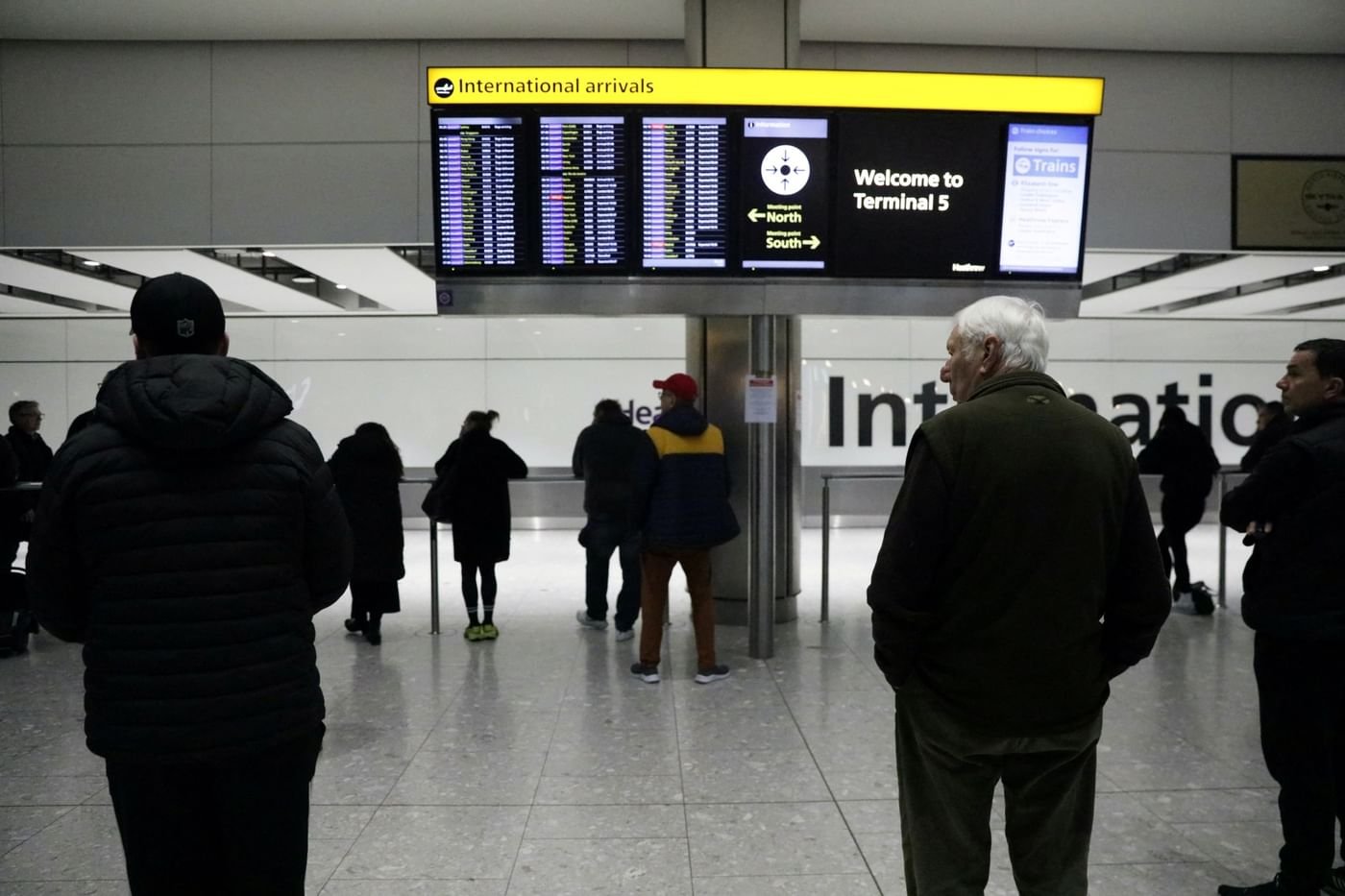
European Union nations have started the phased implementation of a new digital entry and exit monitoring system at the bloc’s external borders, enabling the electronic registration of personal data for travelers from non-EU countries, Xpats.ae reported.
The system, officially known as the Entry/Exit System (EES), automates border control procedures by requiring travelers to scan their passports and submit biometric data — including fingerprints and facial images — during their initial border crossing. The rollout will take place gradually over a period of six months.
This initiative aims to identify individuals who overstay their visas, strengthen measures against identity fraud, and curb irregular migration, addressing growing political pressure in several EU nations to enforce stricter border controls.
“The Entry/Exit System is the technological foundation of our renewed European migration and asylum framework,” stated European Commissioner for Internal Affairs and Migration Magnus Brunner. Under the new system, non-EU travelers entering the Schengen Area — which includes all EU countries except Ireland and Cyprus, alongside Iceland, Norway, Switzerland, and Liechtenstein — will need to register their personal details upon their first entry. Subsequent crossings will only require facial recognition verification. The system is scheduled to be fully operational by April 10, 2026, marking the complete transition from manual passport stamping to electronic recordkeeping.