
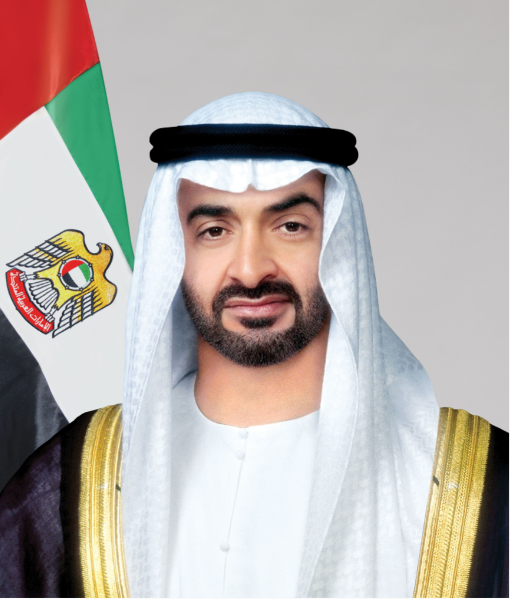
President His Highness Sheikh Mohamed bin Zayed Al Nahyan has approved Federal Decree Law No. (6) of 2025, addressing the Central Bank, the regulation of financial institutions, financial activities, and insurance operations.
The new decree law reflects the UAE’s ongoing commitment to enhance the efficiency of its legislative and supervisory frameworks across the financial sector. Its objective is to bolster financial stability, competitiveness, and ensure that the UAE’s economic governance aligns with international best practices. The law reinforces the independence of the Central Bank and its pivotal role in maintaining monetary and financial stability.
The key focus of the law is to safeguard the stability of the national currency, ensure the soundness of the financial system, and effectively manage the Central Bank’s foreign reserves. It sets forth the main responsibilities of the Central Bank, including the development and implementation of monetary policy, the organization and supervision of licensed financial activities, and the issuance of regulations and standards promoting responsible and effective financial management practices.
Additionally, the Central Bank is entrusted with managing foreign reserves to uphold the monetary base, supporting sustainable finance in line with governance principles, assessing regulatory risks, and overseeing the infrastructure of the financial markets. The law also emphasizes consumer protection and financial inclusion, requiring licensed institutions to provide accessible and inclusive banking services, in harmony with the country’s efforts in digital transformation and financial innovation.
The decree introduces mechanisms for public financial literacy campaigns in cooperation with financial and community organizations. It also reaffirms existing measures aligning credit facilities with customers’ income levels to prevent irresponsible borrowing practices. Strengthening consumer protection, the law unifies the complaints system for banks and insurance customers under the independent entity “Sanadak,” which oversees dispute resolution. It further mandates specialized judicial committees to handle financial disputes, with binding rulings for claims of up to AED 100,000.
To maintain financial system stability, the law allows early intervention when licensed institutions show signs of instability. Provisions include implementing recovery strategies, requiring additional capital or liquidity, modifying business models, appointing interim management, or initiating mergers, acquisitions, or liquidations if necessary. Specific measures also apply to insurance companies failing to act on regulatory directives.
As the designated “Resolution Authority,” the Central Bank assumes a vital role in managing financial crises. It holds authority to dismiss and appoint management teams, recover funds, and appoint custodians to oversee assets. Powers include terminating contracts, transferring or selling assets and obligations, restructuring capital, forming temporary entities, managing asset continuity, and conducting structured liquidations or bailouts to sustain essential financial functions.
Regarding penalties, the law significantly increases the ceiling for administrative fines based on the severity and scale of violations. The Central Bank is authorized to impose fines of up to ten times the value of a violation or unjust gain, which will be directly deducted from the violator’s accounts with the Central Bank or other licensed institutions. Settlements may occur prior to final court rulings, and the Central Bank may publish penalty decisions on its official website to promote transparency and reinforce market discipline.